You’re generally healthy, you smoke, and a cough just won’t quite leave you alone.
This isn’t a lecture. It’s a way to picture what’s happening inside your lungs, and
how omega-3s fit in without pretending they’re magic.
Jellyfish lungs:
those neon tentacles look a lot like your airways. Smooth, glowing flow is
healthy. When smoking and inflammation hit, that flow gets messy – fish-oil
omega-3s are one way researchers try to calm the storm, not erase it.
1. Smoking & “lung ageing”
The problem
Every year, everyone loses a tiny bit of lung capacity. Smoking speeds that
loss up. Lung tests (FEV₁ and FVC) let doctors track this “lung ageing” over time.
Current smokers lose more lung capacity per year
than non-smokers.
Over years, that steeper slope makes coughs, breathlessness and COPD
more likely.
Smoking effect
Faster decline in FEV₁ & FVC
Think of it as lung age ticking forward faster than the calendar.
Persistent cough
Red-flag symptom
Needs a human doctor, not just a supplement.
2. What omega-3s (fish oil) actually do
The biology
Omega-3 fatty acids like EPA and DHA (the ones in oily fish and most fish-oil
capsules) are built into cell membranes and help calm inflammation, including
in the lungs.
Anti-inflammatory: omega-3s help dial down
some smoking-related inflammation in airways.
Cell support: DHA is part of the “fatty
scaffolding” of lung cells.
Large cohort and genetics studies suggest that
higher blood DHA is linked with slower lung-function decline and a
lower risk of developing airway obstruction over time.
DHA bump
Can offset part of the extra yearly loss seen in smokers
Roughly, a higher DHA level (reachable with regular oily-fish or supplements)
softened lung decline and reduced future obstruction risk.
Important
Helps, doesn’t cancel smoking
The biggest health win is still not inhaling burnt stuff into your lungs.
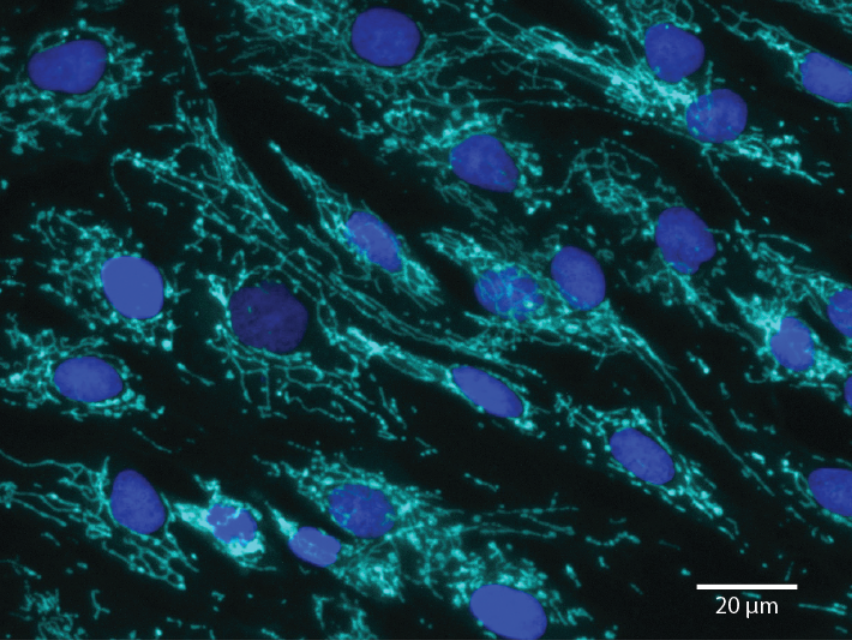
3. From glowing jellyfish to glowing mitochondria
Inside the cells
Zoom right in and each lung cell has its own tiny “power-jellyfish”:
the mitochondria. New dyes like MitoBrilliant
make them light up sharply, so researchers can watch how they behave in
real time instead of guessing.
That lets scientists test questions like:
How does smoke damage mitochondrial networks?
Does boosting omega-3s change how these glowing structures
handle stress and energy?
The jellyfish GIF is the big picture; these mitotrackers are how we watch
the tiny currents inside the tentacles.
4. What this means for “healthy but coughing” smokers
Realistic take
If you’re otherwise fit, still smoking, and have a persistent cough, omega-3s
are best thought of as padding, not armour.
Helpful: fish or fish-oil can tilt things
toward slower lung decline and less inflammation.
Insufficient: they do not rule out
infections, asthma, early COPD or cancer as reasons for the cough.
Best combo: medical check-up, serious
thinking about smoking, + evidence-based extras like vaccines, movement,
sleep, and maybe omega-3s.
Fish / fish-oil = harm-reduction, not invincibilityCough that hangs around → see a doctor
Not medical advice. Any cough that lasts more than a few weeks,
gets worse, brings up blood, or comes with weight loss, night sweats or
breathlessness needs proper medical review. Supplements should be discussed
with a clinician, especially if you take blood thinners or have other conditions.
How much difference can fish oil make?
Toy model
This is a rough, educational model. It doesn’t predict your personal future,
but it shows the direction of the evidence.
Lung-decline pattern (roughly):
As a non-smoker with low omega-3 intake, your lungs usually age slowly.
Omega-3s would add a small extra “cushion”, but your biggest win is already
not smoking.
Estimated long-term lung strain: Low
More strain
Less strain
Practical ideas (if you keep smoking for now)
Harm-reduction
Doctor first: get the cough checked. Ask for spirometry (lung
function testing) if you haven’t had it.
Add lung-friendly things: regular movement, vaccines (as
advised locally), plus considering omega-3s in food or supplements.
Experiment with “less, not more”: smoke-free days, later
first cigarette, or fewer per day. These are meaningful wins even if you’re
not ready to quit completely.
If you ever do feel ready to quit, all the omega-3 data become even more
interesting: former smokers in the big studies often saw the strongest protection
from higher DHA.
Deep dive: omega-3s & inflammation
Video
For your inner nerd: a longer-form explainer you can actually listen to. Sound is
enabled here – your browser will decide whether to autoplay or wait for a click.